
As the end of the year approaches, People teams and HR leaders face a familiar, recurring challenge: how to celebrate annual milestones, demonstrate genuine staff appreciation, and deliver memorable rewards that resonate across an increasingly diverse workforce.
While the festive season offers an ideal window to strengthen workplace culture, traditional approaches to end of year rewards often fall short. Generic physical items, standard hampers, or uninspired tokens frequently end up forgotten in a drawer, missing a key opportunity to foster meaningful connection. In contrast, modern workers increasingly prioritise flexibility, personalisation, and memorable experiences over static objects.
Navigating this transition requires strategic focus. By choosing high impact, highly personalised christmas gifts for employees, HR departments can enhance employee motivation in Q4, boost resilience during busy seasonal periods, and build lasting loyalty that directly impacts retention into the new year.

End of year rewards should never be viewed as a simple administrative requirement or a routine corporate line item. When embedded into a thoughtful employee reward solutions strategy, festive recognition acts as a powerful lever for employee engagement and long term organisational health.
Employee appreciation requires authenticity. Tokenistic gestures such as branded trinkets or mass produced items can inadvertently signal to employees that their individual efforts over the past 12 months are undervalued.
The most effective staff christmas gifts carry significant emotional resonance. Giving employees the opportunity to indulge in a luxurious afternoon tea, recharge on a peaceful weekend retreat, or enjoy an exciting new activity turns recognition into a lasting memory, reinforcing their value within the company.
The start of a new year naturally prompts workforce reflection, making Q1 a critical period for turnover risks across many UK industries. Proactively addressing workplace connection and employee satisfaction in Q4 helps lower this risk.
According to research into health and workplace well being by the Chartered Institute of Personnel and Development, structured workplace well being and recognition initiatives significantly enhance organisational commitment and worker retention. Recognising hard work before the festive break ensures employees feel genuinely appreciated, encouraging them to return in January with renewed motivation.
Designing an inclusive, effective reward initiative during the busiest quarter of the year involves distinct logistical and operational hurdles.
Modern workplaces bring together multi generational teams operating across hybrid, fully remote, and on site setups. Finding a single physical gift that appeals equally to a Gen Z team member in London and a senior executive working remotely in Scotland is nearly impossible.
A dynamic gifting model must account for varied personal preferences, dietary choices, and lifestyle needs, ensuring every team member receives something genuinely valuable to them.
Organising physical corporate gifts for dozens or thousands of employees creates a heavy administrative load. Sourcing items, managing bulk storage, collecting updated personal addresses, and handling shipping delays can easily overwhelm HR teams during critical end of year deadlines.
Digital delivery methods and centralised ordering systems streamline these processes, eliminating shipping bottlenecks and ensuring smooth distribution across all teams.
Ensuring corporate festive rewards comply with local regulations is essential for financial efficiency. In the UK, HR departments can utilise HMRC Trivial Benefits exemption scheme to distribute tax free rewards, provided specific conditions are met:
The benefit costs £50 or less including VAT per employee
It is not provided as cash or a direct cash voucher
It is not part of a contractual agreement or performance related bonus
It is not offered in recognition of routine work services
Selecting non cash options such as experience vouchers or reward cards under £50 allows businesses to provide delightful festive perks while maintaining full tax efficiency.
To maximise budget impact, corporate gifting strategies should align with evolving employee preferences. Comparing traditional options with flexible experiences highlights clear advantages for workforce engagement.
Personal Relevance: Traditional physical gifts carry a high risk of duplication. Experiential vouchers offer exceptionally high personal relevance because the employee chooses their experience.
Logistical Overhead: Physical items and hampers require shipping, tracking, and physical storage. Digital experiential vouchers require minimal administrative overhead with instant delivery options.
Tax Efficiency: Experiential rewards can easily be configured under the £50 HMRC threshold to remain fully tax efficient.
Long Term Emotional Value: Physical items are quickly forgotten. Experiences create lasting personal memories that employees connect back to their workplace.
Experiential rewards offer a high return on emotional investment. Research consistently indicates that experiences generate deeper, longer lasting satisfaction than material items. When an employee enjoys a special experience with family or friends, that positive emotional connection is directly associated with their employer.
To build an impactful festive reward package, HR leaders should consider flexible experience categories that appeal to a wide variety of personal tastes.
After a demanding fourth quarter, giving team members time to unwind is a powerful gesture. Offering options for charming country escapes, boutique city hotels, or relaxing coastal getaways rewards dedicated service with meaningful downtime.
Explore options for relaxing overnight short breaks to inspire your team.
Food brings people together. Gifting dining experiences allows employees to enjoy memorable moments with partners, friends, or family during the holiday season. From gourmet dining to traditional afternoon teas in historic venues, dining vouchers offer accessible, highly valued rewards.
Browse curated gourmet dining and afternoon tea experiences for your staff.
Preventing burnout and promoting mental well being should remain top priorities for modern HR teams. Providing access to soothing spa sessions, massage therapies, and relaxing health retreats shows a clear, genuine commitment to holistic employee health.
Discover soothing spa and wellness day packages tailored for full relaxation.
When managing large or geographically dispersed workforces, multi option choice vouchers offer maximum flexibility. These cards let employees select their preferred experience whether that is an adventurous track day, a creative workshop, or a quiet weekend trip.
Streamline your approach with flexible choice and lifestyle vouchers, ensuring every team member finds an experience they love.

Partnering with an experienced recognition provider simplifies corporate gifting, allowing HR teams to execute polished end of year campaigns without administrative hassle.
Say goodbye to manual shipping spreadsheets and lost packages. With modern digital delivery options, customisable e vouchers can be delivered instantly or scheduled for a specific date and time such as during an all hands meeting or end of year party.
Maintain corporate brand identity throughout the gifting journey. Using personalised branding options, HR teams can add corporate logos, tailored brand imagery, and personal executive messages directly to reward portals and voucher packaging.
A successful Christmas reward initiative can serve as the foundation for your ongoing workplace culture strategy. Experience vouchers can be adapted seamlessly for year round recognition, including long service awards and performance incentives.
End of year gifting is more than a seasonal tradition; it is a key opportunity to demonstrate appreciation, support workforce well being, and set a positive tone for the year ahead. Moving away from generic corporate items toward flexible, experience driven rewards helps organisations build stronger company culture and improve retention.
By partnering with a trusted provider, HR leaders can simplify campaign administration while giving employees gifts they genuinely value. Make this festive season memorable by offering rewards that inspire, engage, and last long after the holiday period.
Ready to upgrade your seasonal recognition program?
Explore our full range of corporate festive rewards or contact our corporate rewards team today to design a tailored solution for your workforce.
In an interconnected corporate landscape, service friction remains an unavoidable operational reality. Despite robust logistics networks, strict quality control procedures, and highly sophisticated software architectures, operational failures occur. Shipping delays disrupt supply chains, software downtime halts critical business processes, and minor administrative errors frustrate day-to-day clients. For customer service directors and corporate leaders, the fundamental challenge is not achieving absolute error prevention, but managing the operational fallout effectively when mistakes do happen. The manner in which an enterprise handles a crisis determines whether the account is lost to a competitor or secured for the long term.
The service recovery paradox is an established psychological phenomenon in customer experience management. It occurs when a customer evaluates a company more highly after a service failure has been successfully corrected than if the failure had never taken place. When an organisation resolves a crisis flawlessly, it validates the customer’s choice, demonstrates operational resilience, and builds deep trust. A moment of high friction is actively converted into an opportunity for deep brand advocacy.
When a service issue arises, the default corporate response is typically a standard financial refund or an automated account credit. While a refund technically resolves the financial imbalance of the transaction, it rarely repairs the emotional damage or the broken trust between the client and the brand. It feels transactional, cold, and entirely automated. Data from the Institute of Customer Service shows that service failures cost UK organisations a staggering £7.3 billion per month in staff time and lost revenue. To truly bridge the emotional gap caused by an operational mistake, businesses must look beyond basic financial reimbursements and embrace memorable, human-centric recovery mechanisms.

A service failure triggers an immediate negative emotional response, resulting in corporate frustration, lost productivity, or customer anxiety. Simply resolving the core technical problem merely returns the client to a neutral baseline state. To trigger the service recovery paradox, customer care teams must go a step further by introducing a targeted element of surprise and delight. Proactively offering an unexpected gift shifts the internal narrative from a system failure to a demonstration of exceptional corporate care and generosity.
Customers continuously evaluate a business based on the perceived effort it puts into making amends. A generic, automated apology email carries very little perceived effort and is often dismissed out of hand. Conversely, offering curated lifestyle experiences or tangible rewards demonstrates that a brand actively values the customer’s time, operational convenience, and peace of mind. A MaxContact report revealed that 42% of consumers have already switched providers because of poor customer experiences, making visible goodwill essential for retention. By providing a tangible token of appreciation, companies signal that they are willing to invest directly in keeping the commercial relationship healthy.
A transactional fix addresses the administrative or technical error, while an emotional repair addresses the human being affected by that error. To master how to turn a negative customer experience positive, businesses must pivot their operational strategies toward emotional repair. This strategic shift strengthens customer relationships, turning everyday users into passionate brand advocates who praise your responsive customer service across their industry networks.
In high-stakes service recovery, timing is everything. The longer a customer waits for an issue to be acknowledged and resolved, the more deep-seated their operational frustration becomes. Utilising digital corporate gifting solutions allows customer support agents to send rewards directly to an aggrieved client’s inbox within seconds of an incident. This rapid response immediately diffuses tension, proving that the company is acting quickly to make things right.
A rigid, one-size-fits-all token of goodwill often falls flat. A high-value corporate client who has faced a major software outage requires a completely different gesture than a retail customer facing a minor delivery delay. Research from the Institute of Customer Service indicates that 33.5% of customers are willing to pay more for excellent service, underlining that premium service value is a critical business driver. By using versatile reward platforms, businesses can offer recipients an array of choices, allowing individuals to choose exactly how they want to enjoy their moment of relaxation.

The most effective service recovery strategies empower frontline staff to make definitive decisions without waiting for multi-tiered managerial sign-off. Providing customer service agents with a designated allocation of customer service incentives removes bureaucratic friction. When an agent can instantly send a high-value experiential voucher to a frustrated client, they resolve the problem immediately, improving first-contact resolution rates and boosting staff morale simultaneously.
Not all service failures impact a client equally, which means your recovery rewards must be carefully calibrated to the severity of the mistake.
Minor Inconveniences: Instant digital vouchers for coffee or light refreshments, chosen from flexible lifestyle options.
Moderate Disruptions: Premium dining experiences or entry tickets to top attractions available via Buyagift.
Major Operational Failures: Luxury hotel escapes or premium short breaks to thoroughly restore client goodwill and protect long-term revenue.
To scale these customer service retention strategies across large departments, businesses should integrate digital gifting mechanisms directly into their Customer Relationship Management (CRM) workflows. When a ticket is escalated or marked as critical, the system can automatically prompt the agent to issue an experiential voucher. This setup ensures that service recovery remains consistent, trackable, and highly efficient across the whole department.
Investing in premium experiential rewards must yield clear business benefits. Companies can track key performance metrics before and after implementing an experiential recovery program, focusing on:
Customer Retention Rate: Measuring the percentage of compromised accounts that remain active over the following 12 months.
Net Promoter Score (NPS): Tracking the post-resolution score to see if the recovery paradox was triggered successfully.
Customer Lifetime Value (CLV): Monitoring long-term revenue growth from customers who experienced a service recovery intervention.
Mistakes are an unavoidable part of doing business, but they do not have to result in customer churn. By embracing the service recovery paradox, customer care teams can transform complex operational failures into defining moments of outstanding brand care. Moving away from cold, transactional refunds and toward meaningful, digital lifestyle rewards lets companies fix errors while building unbreakable emotional bonds with their clients.
Ready to revolutionise your service recovery toolkit and build lasting brand loyalty? Contact our specialist corporate reward team today to discover our full range of flexible, instant digital gifting options.
Creating an authentic environment of diversity, equity, and inclusion (DEI) is no longer a peripheral HR initiative; it is a core business imperative. As June approaches, organisations across the UK prepare to mark Pride Month. However, modern workforce expectations mean that surface level gestures, often critiqued as “rainbow washing”, are no longer sufficient. Employees can easily distinguish between tokenistic visibility and genuine structural support.
The need for authentic change is backed by clear data. A recent UK workplace study published by The LGBT Speakers Agency revealed that nearly 39% of LGBTQ+ staff feel they must conceal their orientation or gender identity on the job. Furthermore, research from Stonewall UK highlights that 36% of employees have heard negative or discriminatory remarks about LGBTQ+ colleagues in their place of work.
For HR professionals and people leaders, Pride Month presents a vital opportunity to reinforce a supportive corporate culture while evaluating how inclusive your day to day operations truly are. A key element of this evaluation includes reviewing your appreciation and incentive frameworks. If your corporate rewards fail to reflect the diverse lifestyles, interests, and identities of your entire workforce, they miss the mark on true appreciation.
By combining meaningful, educational workplace activities with highly flexible reward structures, such as customised employee gift card programs, businesses can create an environment where everyone feels seen, respected, and valued.
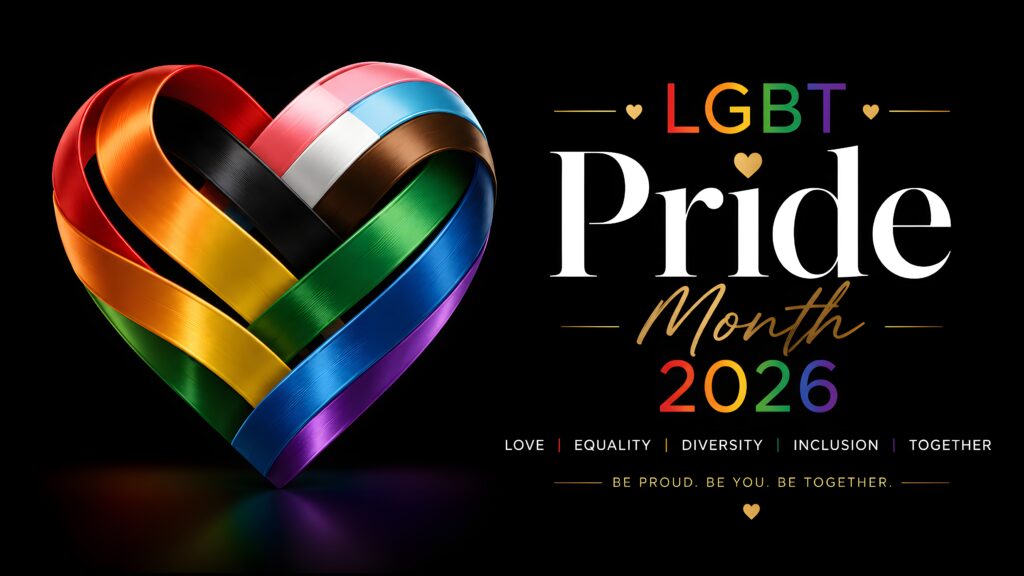
True inclusion begins with listening. One of the most impactful ways to celebrate Pride Month within a business is to provide a platform for LGBTQ+ voices, allowing employees to learn directly from lived experiences.
Inviting external speakers, activists, or DEI consultants to deliver educational lunch and learn sessions offers professional development while building empathy. Topics can range from the historical origins of Pride to practical allyship sessions covering microaggressions and inclusive language. If you have an established internal LGBTQ+ Employee Resource Group (ERG), collaborate with them to see if members are comfortable sharing their perspectives on an internal panel discussion, ensuring they are compensated or recognised for this additional emotional labour.
Education should not stop when the presentation ends. The CIPD reports that LGBTQ+ employees often experience lower levels of psychological safety and job satisfaction compared to their heterosexual counterparts, making proactive intervention essential. HR can facilitate follow up roundtable sessions or provide conversation starters for team leaders to use during regular catch ups. Cultivating a safe space where team members can ask honest questions without fear of judgment helps break down systemic barriers and promotes psychological safety across all departments.
Visual representation matters. It serves as a daily, tangible reminder that an organisation actively welcomes the LGBTQ+ community, creating an immediate sense of belonging for employees and visitors alike.
Decorating communal areas, reception desks, and meeting rooms with the Progress Pride flag signals an open, inclusive culture. Consider purchasing decorations, educational literature, or treats from independent LGBTQ+ owned businesses to ensure your budget directly supports the community. HR can also set up an interactive ‘Allyship Board’ where employees can write anonymous messages of support, share book recommendations, or highlight inspiring historical LGBTQ+ figures.
With hybrid working firmly embedded in British corporate culture, inclusion efforts must extend beyond the brick and mortar office. Provide digital assets such as Pride themed video call backgrounds, email signature templates, and Slack or Microsoft Teams custom emojis. Ensuring your remote workforce has equal access to these celebration tools bridges the geographical gap, bringing unified company values to life regardless of where individual employees are logged in.
An authentic corporate commitment involves allocating financial resources to the organisations doing life changing work on the ground. Philanthropy demonstrates that your business cares about social progress beyond positive public relations.
Consider establishing a dedicated budget to support reputable UK based organisations like Stonewall, Mermaids, or the Albert Kennedy Trust (akt), which tackles youth homelessness within the LGBTQ+ community. To maximise organisational engagement, HR can set up match funding schemes. If teams organise internal fundraising activities, such as a Pride charity bake sale, trivia quiz, or fun run, the company can match the funds raised pound for pound, doubling the social impact.
Instead of leadership deciding where all funding goes, empower your team members by running a democratic poll allowing them to vote on which specific charities receive the corporate donation. This level of autonomy boosts morale and ensures your CSR strategy genuinely aligns with the causes your people care about most passionately.
While June is a time of celebration, authentic inclusion is an ongoing, 365 day responsibility. HR leaders should utilise this time to audit internal policies, making sure that support structures are legally robust, modern, and fair.
Take a critical look at your employee handbook. Are your parental leave policies completely gender neutral, fully accommodating adoption and surrogacy for same sex couples? Do your corporate healthcare benefits cover gender affirmation treatments or specialised mental health support? Additionally, implementing a clear company wide policy that encourages (but does not force) the inclusion of pronouns in email signatures and internal profiles helps normalise diverse identities, taking the burden off marginalised individuals.
According to data compiled by The LGBT Speakers Agency, a staggering 92% of LGBTQ+ staff cite trust in managers as essential for feeling motivated and safe at work. Ensure your management teams receive regular, comprehensive training regarding diversity and inclusion. Managers must be equipped to handle sensitive conversations, recognise exclusionary behaviour, and actively foster an equitable team dynamic where every direct report has an equal path to career progression.
A company’s culture is vividly reflected in what it chooses to reward, and how it rewards it. To build a genuinely inclusive workplace, your recognition and reward architecture must cater seamlessly to the varied lived experiences of your entire workforce.

Traditional corporate gifts often miss the mark because they rely on assumptions. Standard physical gifts or highly specific experience packages do not account for individual preferences, dietary restrictions, religious beliefs, or lifestyle choices. For instance, rewarding a team exclusively with alcohol related gifts excludes those who do not drink, while specific outward bound experiences may not be accessible to everyone. True appreciation recognises the individual as they are, which is why providing flexibility is a core tenet of modern, inclusive employee benefits.
To avoid alienation, progressive HR departments are pivoting toward flexible, recognisable rewards that put choice entirely in the hands of the recipient. Implementing a robust framework of corporate gift cards for employees removes guesswork, eliminates waste, and honours individuality. Whether an employee prefers to spend their reward on a relaxing spa day, a dining experience with their partner, a high adrenaline adventure, or everyday essentials, a versatile voucher option ensures that the reward feels uniquely personal and deeply validating to every single team member.
At Buyagift Corporate, we believe that appreciation should have no boundaries. We are entirely committed to inclusivity and catering for everybody, which is why our incredible employee rewards can be enjoyed by absolutely anyone, regardless of lifestyle, background, or identity.
THE INCLUSIVITY ADVANTAGE
* 100% Personal Choice: Recipients select exactly what matters to them.
* Diverse Experiences: Thousands of options spanning relaxation, food, & travel.
* Zero Waste Delivery: Instant digital options accommodate hybrid workspaces.
* Scale and Speed: Seamless procurement fits any corporate budget or timeline.
Our comprehensive platform simplifies procurement for busy HR teams by offering premium gift cards for staff rewards. Rather than dealing with logistics for individual items, businesses can purchase bulk vouchers for offices or secure gift cards in bulk for employees with absolute ease. This streamlined process eliminates fulfilment stress, allowing you to focus your efforts entirely on building a supportive workplace culture.
Through our flexible employee benefits rewards, your business gains access to versatile incentive tools that scale perfectly to your operational needs. From celebrating major career milestones to executing targeted performance incentives, our solutions provide ultimate flexibility.
For organisations seeking maximum versatility, our tailored Choice Lifestyle Vouchers open up a world of thousands of unique experiences across the UK, which can be explored directly on Buyagift. Alternatively, the multi retailer Employee and Customer Gift Card gives your people direct access to top high street brands, dining, and entertainment venues. You can even add a professional touch to your recognition scheme with our personalised branding solutions, ensuring your company’s unique inclusive values are front and centre upon delivery.
By utilising our flexible bulk-buy reward vouchers, you provide an equitable reward system that empowers every recipient to select an experience or item that genuinely resonates with their life. It is the ultimate way to turn the concept of diverse appreciation into a practical, daily workplace reality.
Celebrating Pride Month effectively requires a balanced approach that blends visible, authentic cultural actions with solid structural support. By organising educational events, supporting vital UK charities, auditing internal policies, and integrating flexible, inclusive corporate rewards uk, HR professionals can build an environment where everyone can thrive authentically.
When your business uses flexible corporate gift vouchers, you send a powerful, clear message: we value our diverse workforce, and we trust our employees to choose the rewards that mean the most to them.
Ready to transform your employee appreciation strategy with inclusive, flexible reward solutions that cater perfectly to all? Contact us today to discover how Buyagift Corporate can elevate your workplace culture.
The corporate gifting landscape has reached a tipping point. In 2026, the standard “thank you” hamper or branded water bottle is no longer enough to cut through the noise of a busy work-life. As the UK workforce shifts to a majority of Millennial and Gen Z employees, the definition of value has fundamentally changed.
For today’s talent, a meaningful Employee Value Proposition (EVP) is built on workplace wellness and memories, not “stuff.” To drive true loyalty, HR leaders are turning to experience-led recognition to provide the one thing employees value most: the power of choice..
Why does the “meaning” behind a gift matter so much? In 2026, the impact of appreciation is the difference between retention and resignation. Recent UK research highlights that 51% of workers would be less likely to look for another job if their employer recognised them in the way they prefer.
Despite this, there is a clear “confidence gap” in the boardroom. While recognition is vital, 39% of business leaders admit they are not confident that the rewards they provide actually align with what their employees value. When recognition feels like a “box-ticking” exercise, it loses its emotional resonance. In contrast, experience gifting bridges the gap between a company’s budget and an employee’s heart. By utilising corporate reward schemes that focus on life-enriching moments, businesses can move from “giving a gift” to “creating a memory.”
The shift toward the “Experience Economy” is driven largely by demographic changes. By 2026, 58% of Gen Z and Millennials in the UK report prioritising spending on experiences over physical products. This generation doesn’t want more items to store; they want stories to tell and moments to share.
For Gen Z, recognition must be:
Authentic: It should reflect their personal interests rather than a corporate template.
Shareable: Experiences like afternoon tea for two or a driving track day provide “social currency.”
Wellness-focused: They value rewards that contribute to their mental health. With 50% of UK employees stating that proper recognition improves their mental wellbeing, an experience-led approach is a direct investment in health.
By integrating experience-led recognition into your strategy, you aren’t just rewarding a deadline met; you are supporting their lifestyle and workplace wellness and memories.
The secret to a successful EVP (Employee Value Proposition) in 2026 is autonomy. Choice is the highest form of appreciation. This is where bulk business vouchers have evolved.
Instead of choosing one gift for 500 people, savvy HR managers provide Lifestyle Choice Vouchers. This allows the employee to decide whether they want a relaxing spa day to recharge or an adrenaline-fueled skydiving experience.
When an employee chooses their own reward, the psychological “ownership” of that reward increases. This is particularly important for male employees, as research shows men are significantly more likely than women to favour tangible rewards like vouchers and bonuses. Providing a choice ensures that every individual’s “workplace love language” is spoken.
Implementing a high-impact strategy doesn’t have to be an administrative burden. Modern performance incentives are designed to be digital-first and scalable.
Whether you are rewarding long service awards or looking for corporate Christmas gifts that actually excite the team, the process should be seamless.
Step 1: Define your budget and recognition frequency.
Step 2: Select a versatile employee-customer gift card solution.
Step 3: Personalise the delivery with personalised gift experience vouchers and branded messaging to ensure the company culture is front and centre.

The UK workforce is one of the most competitive in the world. To attract and retain the best talent, your employee benefits must stand out. Experience gifting isn’t just a “nice” gesture; it is a strategic tool for:
Retention: 51% of workers are more likely to stay when recognised correctly.
Culture: Building a “Workplace of Choice” that values the individual’s time outside the office.
Wellbeing: Actively combating burnout by encouraging employees to take time out and enjoy themselves.
In 2026, the most successful brands are those that understand that their employees are “people first, workers second.” Moving beyond the hamper and embracing experience-led rewards is the most effective way to signal that you value your team’s happiness and their lives outside the office.
Ready to transform your recognition strategy? Contact us today to discuss how our experience solutions can drive engagement for your team.
Contact us for all your corporate gifting needs. Aligned with your business and budget requirements in mind, transform your HR strategy with a bespoke solution that rewards, motivates and offers performance incentives to your most valuable asset.
For Customer Service, Supplier and Charity Enquiries, please click here.
Contact us for all your corporate gifting needs, let us create the ideal gift solutions to help reward, motivate and offer incentives to your most valued people, according to your specific business and budget requirements.
Are you searching for fresh and innovative ways to reward your hard-working employees and engage your valued customers? Look no further. Buyagift for Business is ready to help you achieve your goals, with a whole lot of fun, thrills and memory-making experiences on the agenda.
For Customer Service, Supplier and Charity Enquiries, please click here.